
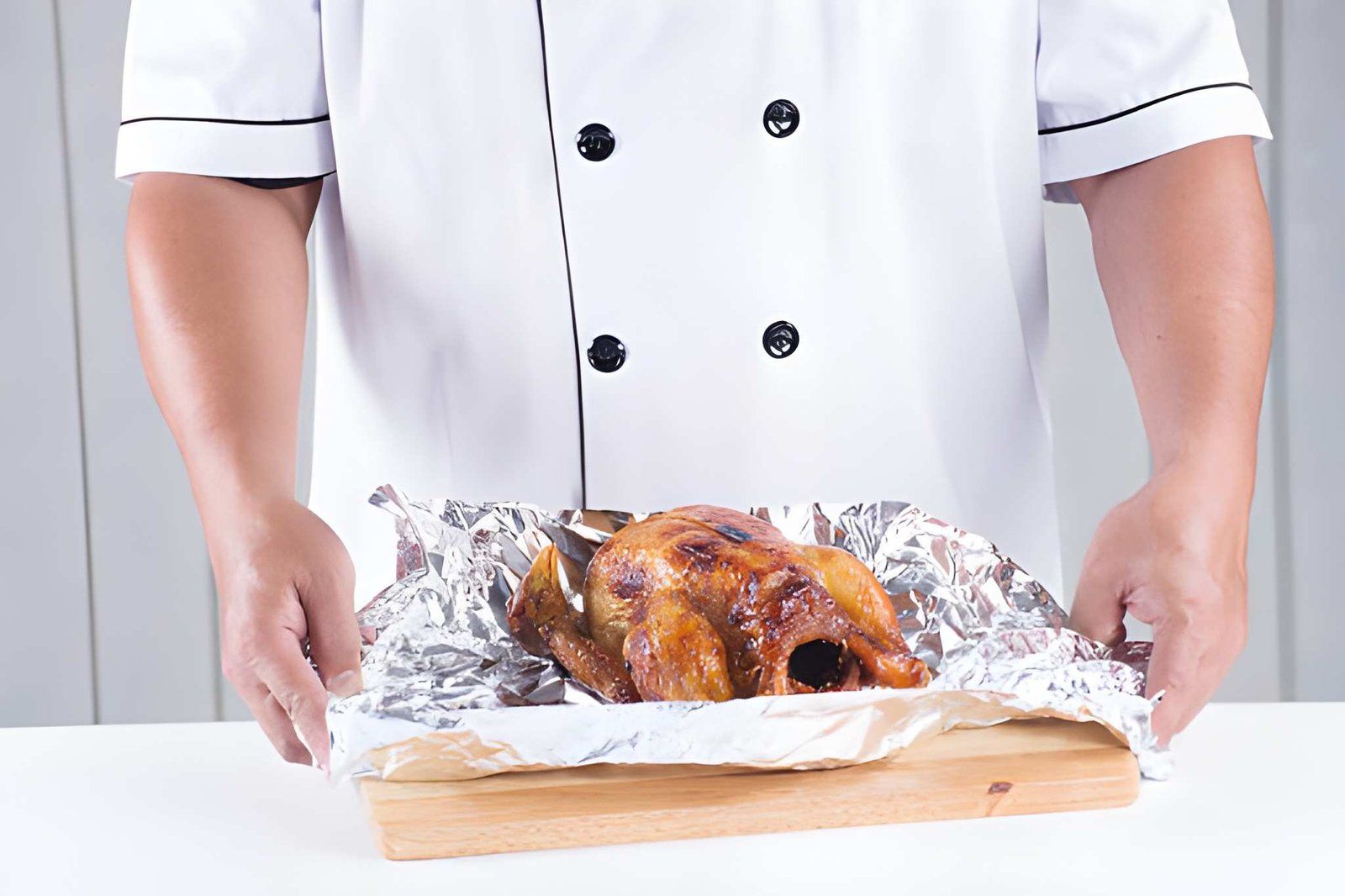
Plating is one of the most important skills in professional cooking, yet it is often the most overlooked in home kitchens. Great food is not only about taste—it’s also about presentation, balance, color, and creativity. A well-plated dish can turn a simple meal into a restaurant-quality experience.
Professional chef Chef Scott Biffin emphasizes that plating is where cooking meets art. It is the final step that brings everything together and creates the first impression before the first bite is taken. In this guide, we’ll explore how to plate food like a professional chef, using simple techniques that anyone can apply at home.
Why Food Plating Matters
Before learning techniques, it’s important to understand why plating is so powerful.
When a dish is beautifully presented:
- It increases appetite and enjoyment
- It enhances perceived flavor
- It shows care and attention to detail
- It creates a restaurant-style experience at home
- It makes everyday meals feel special
Chef Scott Biffin often says, “People eat with their eyes first.” That means presentation can completely change how a dish is experienced—even before the first bite.
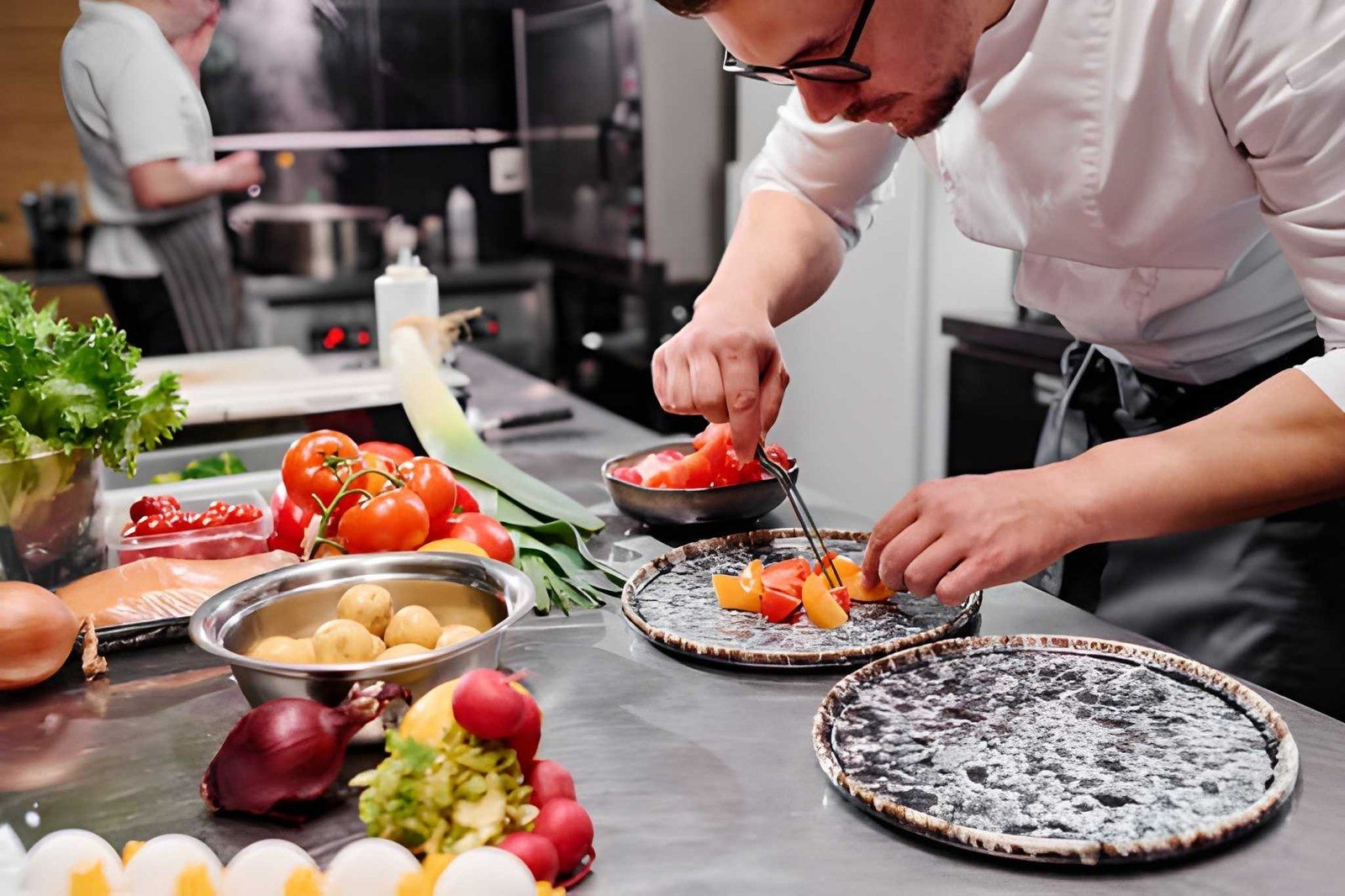
The Core Principles of Professional Plating
Professional chefs follow a few essential principles when plating food. These rules are simple but powerful.
1. Balance
A well-plated dish should feel balanced in size, color, and shape. Avoid overcrowding the plate or placing everything in one corner.
2. Contrast
Contrast makes food visually appealing. This can include:
- Light vs dark colors
- Soft vs crunchy textures
- Thick vs smooth sauces
3. Focal Point
Every dish should have a “hero” ingredient—usually the protein or main element. Everything else should support it, not compete with it.
4. Simplicity
Professional plating is often minimal. Too many elements can make a dish look messy. Clean, simple designs are more elegant.
Choosing the Right Plate
The plate is your canvas. Choosing the right one makes a huge difference.
White Plates
White plates are the most commonly used in restaurants. They:
- Highlight food colors
- Provide a clean background
- Work for almost every dish
Dark Plates
Dark or black plates create drama and contrast. They work especially well for:
- Grilled meats
- Bright vegetables
- Colorful sauces
Plate Size
Avoid oversized plates for small portions. Empty space is important, but too much space can make the dish look incomplete.
Chef Scott Biffin recommends always choosing a plate that fits the portion comfortably while still leaving room for creativity.
The Rule of Thirds in Plating
One of the most used techniques in professional kitchens is the rule of thirds.
Imagine dividing your plate into three sections:
- Protein (main item)
- Starch (rice, pasta, potatoes)
- Vegetables or garnish
Instead of placing everything in the center, arrange them slightly off-center for a more dynamic and natural look.
This creates movement and visual interest, making the dish feel more refined.
Building Height for a Professional Look
Flat plates look boring. Professional chefs always build height in their dishes.
Ways to add height:
- Stack ingredients (like vegetables or meat)
- Lean food at an angle
- Use molds or rings for shaping rice or mashed potatoes
- Layer ingredients instead of spreading them flat
Height creates dimension and makes the dish look more restaurant-quality.
Using Sauces Like a Chef
Sauces are not just for flavor, they are also a design tool.
Instead of pouring sauce randomly, try these techniques:
1. Spoon Smears
Place a spoon of sauce and gently drag it across the plate for an artistic effect.
2. Drizzles
Lightly drizzle sauce around the main ingredient in controlled lines or dots.
3. Under the Food
Place sauce underneath the protein so it gently spreads when the food is placed on top.
Chef Scott Biffin recommends using sauces sparingly. Too much sauce can overwhelm the plate visually and structurally.
Color Is Everything
Color plays a major role in food presentation. A visually appealing dish usually includes multiple colors.
Try to include:
- Green (herbs, vegetables)
- Red (tomatoes, peppers)
- Yellow (corn, sauces, spices)
- Brown (meat, roasted elements)
A dish with variety in color naturally looks more appetizing and fresh.
Texture Makes the Dish Interesting
Texture adds excitement to both presentation and eating experience.
A professional plate often combines:
- Crispy elements (fried onions, toasted nuts)
- Soft elements (mashed potatoes, creamy sauces)
- Fresh elements (herbs, salads)
This contrast keeps the dish from feeling one-dimensional.
Garnishing Like a Professional Chef
Garnishing is the final touch, but it must be done carefully.
Good Garnishes:
- Fresh herbs (parsley, basil, coriander)
- Microgreens
- Citrus zest
- Edible flowers
- Light spice dusting
What to Avoid:
- Overloading the plate
- Using non-edible decorations
- Random placement
Chef Scott Biffin suggests using garnishes that connect to the dish’s flavor profile. For example, lemon zest on seafood or herbs on chicken dishes.
Negative Space Is Powerful
One mistake many home cooks make is filling the entire plate. Professional chefs intentionally leave empty space, known as negative space.
Why it matters:
- Makes the dish look elegant
- Draws attention to the main ingredient
- Prevents visual clutter
- Creates a high-end restaurant feel
Less is often more when it comes to plating.
Plating Techniques Used in Restaurants
Here are some advanced but easy-to-understand techniques used by chefs:
The Swipe Technique
A sauce is swiped across the plate using a spoon for a modern artistic look.
The Stack Method
Ingredients are layered vertically to create height and structure.
The Ring Mold Technique
Used to shape rice, mashed potatoes, or salads into perfect circles.
The Scatter Technique
Small elements like herbs or crumbs are lightly scattered for texture and design.
Common Plating Mistakes to Avoid
Even great food can look unappealing if plated poorly. Avoid these mistakes:
- Overcrowding the plate
- Uneven portion sizes
- Too much sauce
- Lack of color variety
- Ignoring plate cleanliness
- Random food placement
Always wipe the edges of the plate before serving. Clean presentation is essential in professional cooking.
Chef Scott Biffin’s Plating Philosophy
According to Chef Scott Biffin, plating should be simple, intentional, and expressive. It should reflect the chef’s personality while still respecting the ingredients.
His approach focuses on:
- Fresh ingredients first
- Clean, minimal presentation
- Natural colors and textures
- Balanced composition
- Easy replication at home
He believes that home cooks don’t need expensive tools to plate beautifully—just attention to detail and creativity.
How to Practice Plating at Home
You don’t need a professional kitchen to improve your plating skills. Here are simple ways to practice:
Start Simple
Begin with basic meals like chicken, rice, and vegetables.
Use Different Plates
Experiment with white and dark plates to see how presentation changes.
Take Photos
Look at your dishes through a camera to identify improvements.
Copy Restaurant Style
Observe how restaurants present food and try to replicate it at home.
Focus on One Element at a Time
Improve one skill at a time, sauce placement, height, or color balance.
Final Thoughts
Plating food like a professional chef is not about complexity, it is about intention. With a few simple techniques, anyone can transform everyday meals into beautiful, restaurant-quality dishes.
From balance and color to texture and height, every detail matters. Inspired by Chef Scott Biffin, you can turn your kitchen into a creative space where food becomes art.
Remember: great plating doesn’t just make food look better, it makes it taste better, feel better, and bring more joy to every meal.
Start practicing today, and soon you’ll be plating like a professional chef right at home.